

A Dawn of Diplomacy: Biafra's Bold Bid for Recognition and the Echoes of Liberty
Written By Nnamdi Iheukwumere
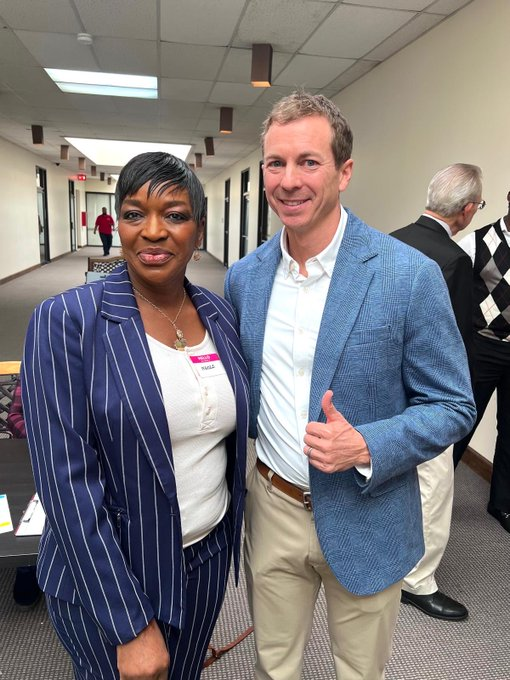
In the quiet confines of a December 2025 breakfast meeting, an alliance took shape—one that could ripple through the corridors of international politics and challenge the status quo of African sovereignty. Dr. Ngozi Orabueze, the Deputy Prime Minister of the nascent United States of Biafra (USB), sat down with Georgia State Senator Greg Dolezal, a Trump-endorsed Republican vying for lieutenant governor.
What transpired was not mere small talk over coffee, but a pointed discussion on Biafra's recent declaration of independence, framed against the timeless principles of limited government and individual rights. This encounter, as detailed in Orabueze's own accounts, signals a nascent diplomatic push for a movement long dismissed as fringe separatism.
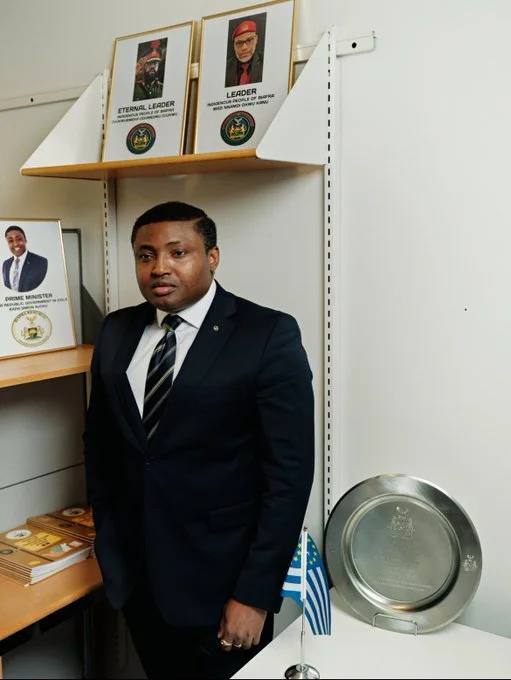
Yet, it raises profound questions: Is this the spark of legitimate self-determination? The USB's origins are rooted in a bold, if unconventional, act of defiance. On November 29, 2024, in the Finnish city of Lahti, Prime Minister Simon Ekpa orchestrated a self-referendum and unilateral declaration of independence for Nigeria's southeastern Igbo-dominated region.
This revival of the Biafran dream—echoing the brutal civil war of 1967-1970 that claimed over a million lives—stems from deep-seated grievances: allegations of systemic oppression, economic marginalization, and violent incursions by Nigerian forces into what is now Biafran territory.
Dr. Orabueze's recent condemnations of these "attacks" paint a picture of a people pushed to the brink, seeking refuge in the ideals of liberty that Dolezal so eloquently invoked. In a video shared by Orabueze, Dolezal draws directly from the U.S. Declaration of Independence, asserting that government's sole role is to "secure and protect the rights of the citizens—the God-given rights." His advocacy for minimal state intervention resonates strikingly with Biafra's narrative of escaping an overreaching Nigerian federation.
D. Orabueze, in turn, expressed satisfaction in briefing Dolezal on her role in the USB and the fractures with their "ex-country" Nigeria. Dolezal's response, described as embodying "good governance and strong values," suggests a sympathetic ear from an American lawmaker whose own political leanings prioritize individual freedoms over centralized control.
This meeting is no anomaly; it reflects a growing undercurrent in global politics where subnational movements leverage international sympathy to bypass unresponsive central governments. From Catalonia to Kurdistan, the quest for self-rule often begins with such informal overtures. For Biafra, engaging a U.S. state senator marks a strategic foothold.
Georgia's political landscape, with its conservative bent, may prove fertile ground for narratives of persecuted minorities fighting for autonomy. If Dolezal's campaign for lieutenant governor succeeds, this breakfast could evolve into something more substantial, perhaps influencing broader Republican sentiments on African affairs.
Yet, we must temper optimism with realism. State senators do not negotiate treaties, and Dolezal's involvement could be seen as mere courtesy or political opportunism. That said, the principles at stake deserve unflinching support. The right to self-determination, enshrined in the UN Charter, should not be a privilege reserved for the powerful.
If Biafrans genuinely believe their rights are trampled under Nigerian rule—as evidenced by ongoing reports of human rights abuses—then peaceful advocacy for independence merits dialogue, not dismissal. Dolezal's invocation of America's founding ideals serves as a reminder that liberty is not geographically bound. In an era where authoritarianism creeps globally, backing movements that champion limited government could align with U.S. interests, fostering allies rooted in shared values rather than strategic expediency.
As the world watches, this breakfast rendezvous may prove a pivotal moment. Will it catalyze formal recognition? For now, it underscores a timeless truth: Nations are not eternal; they are constructs that must earn the loyalty of their people. The United States of Biafra's leaders are betting on that proposition. Time will tell if the international community is ready to ante up.