

Nigeria Should Be Designated a State Sponsor of Terrorism
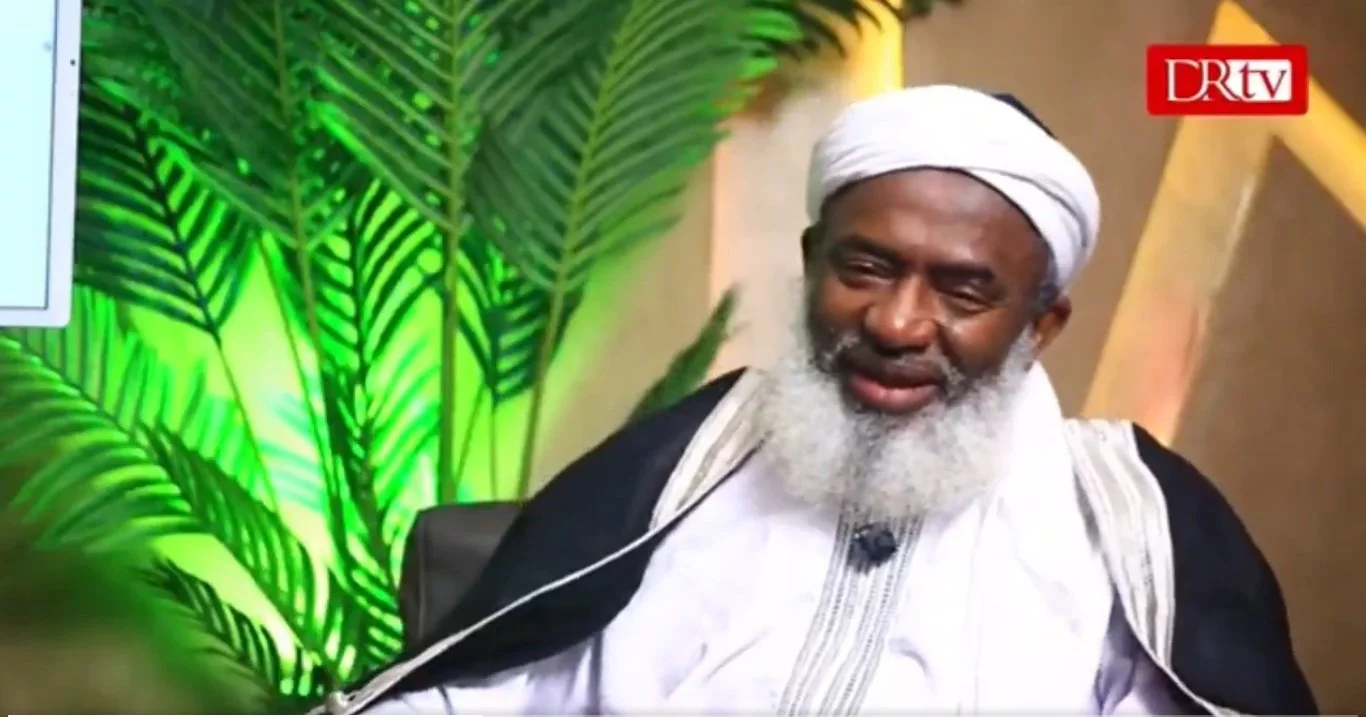
Sheikh Ahmad Gumi,
In a nation plagued by relentless violence, where terrorist groups operate with apparent impunity, recent revelations suggest a disturbing level of government involvement—or at least willful negligence—that border on complicity. Sheikh Ahmad Gumi, a prominent Islamic cleric known for his role in negotiating with bandits and terrorists in Nigeria's northwest, has publicly stated that the federal government knows the names and exact locations of every terrorist in the country.
Yet, despite this knowledge, attacks continue unabated, raising serious questions about the state's role in perpetuating terror. This pattern of inaction, coupled with documented evidence of targeted killings and religious persecution, provides compelling grounds for the United States to designate Nigeria as a state sponsor of terrorism—a move that could finally hold the government accountable and stem the tide of bloodshed. The Smoking Gun: Gumi's Revelations on Government Knowledge. Sheikh Gumi's comments, made during an interview on DRTV, expose what many critics have long suspected: the Nigerian government's intimate awareness of terrorist operations without corresponding action.
Gumi, who has mediated kidnappings since 2020, emphasized that he never negotiates alone but always with police and military escorts, implying official sanction for these interactions.
"The government knows every terrorist by name and by location," he asserted, adding that security agencies accompany him to these meetings.
If true, this means the state has the intelligence to dismantle these groups but chooses not to, allowing them to thrive.Critics interpret this as evidence of complicity, particularly in the northern regions where insecurity has become a hallmark of daily life. Gumi's statements echo past claims of government inaction, fueling suspicions of a "protection racket" where officials benefit from the chaos.
For instance, terrorists often move in large convoys—hundreds on motorcycles and trucks—announcing their intentions before striking military bases or villages, yet the Nigerian Air Force, equipped with jets and surveillance capabilities, rarely intervenes.
This selective blindness suggests more than incompetence; it hints at deliberate enablement.A Legacy of Violence: Statistics and Patterns of TerrorNigeria's security crisis is staggering in scale. Since 2009, over 50,000 people have been killed in violence perpetrated by groups like Boko Haram, ISIS-West Africa (ISWAP), and Fulani militants, according to data from the Council on Foreign Relations.
The U.S. Commission on International Religious Freedom (USCIRF) has highlighted how these attacks disproportionately target Christian communities, with reports describing the killings as potential genocide.
In 2023 alone, USCIRF documented escalating violations, including mass abductions and atrocities that could qualify as crimes against humanity.Fulani militants, often armed and operating with impunity, have been accused of targeted killings in the Middle Belt, displacing thousands and destroying churches. Boko Haram and ISWAP continue to launch attacks in the northeast, resulting in deaths, kidnappings, and property destruction.
The government's response has been tepid at best: slow to act on attacks, tolerating nonstate actors, and even applying Sharia punishments that restrict religious freedoms across faiths.
At least four Nigerians remain imprisoned on blasphemy charges, underscoring a broader climate of intolerance.
This violence isn't isolated; it's systemic. The Indigenous People of Biafra (IPOB) in the southeast has been proscribed as a terrorist group, while northern militants face far less scrutiny.
The disparity suggests a politically motivated approach to designating threats, allowing certain groups to flourish while suppressing others.Inaction as Sponsorship: Why This Qualifies as State SupportThe U.S. Department of State defines state sponsors of terrorism as countries that "repeatedly provide support for acts of international terrorism."
While Nigeria's issues are largely domestic, the global affiliations of groups like Boko Haram (designated a Foreign Terrorist Organization by the U.S. in 2013) and ISWAP blur these lines. Boko Haram's ties to ISIS make their activities part of a broader international threat.
By knowing terrorists' locations and failing to act—while facilitating negotiations—the Nigerian government effectively provides safe harbor, a key criterion for designation. This mirrors behaviors in designated states like Iran, which supports proxies despite denials.
In Nigeria, the result is a de facto sponsorship: terrorists overrun bases, steal weapons, and vanish, only to strike again. Public discourse on platforms like X amplifies these concerns, with users labeling Nigeria a "state sponsor of terrorism" in light of Gumi's claims.
Moreover, external influences exacerbate the issue. Iran, a designated state sponsor, has offered to "support" Nigeria's anti-terrorism efforts, raising alarms about potential infiltration.
Israel's ambassador to Nigeria has accused Iran of sponsoring terrorism in the region, including plots against Israeli interests. If Nigeria's government is complicit, such offers could entrench foreign-backed terror networks.
Precedents and Calls for Action
The U.S. has previously acted on similar grounds. In 2020, Nigeria was designated a Country of Particular Concern (CPC) for religious freedom violations under Trump, only to be removed under Biden—a decision criticized as unjustified.
In 2025, Trump reinstated the CPC status and even instructed the Defense Department to prepare for possible intervention over Christian persecutions.
Congress has considered sanctions on Nigerian governors linked to alleged genocides. Elevating this to state sponsor designation would impose sanctions like aid restrictions and export controls, pressuring reform.
Fact that Nigeria has never been designated underscore the urgency—it's time to change that.
Time for Accountability
Nigeria's crisis isn't just internal strife; it's a humanitarian catastrophe enabled by state inaction. With government knowledge of terrorist operations, tolerance of attacks, and patterns of religious targeting, the case for designating Nigeria a state sponsor of terrorism is clear and substantiated. The U.S. must act to protect vulnerable populations, disrupt complicity, and promote global security. Failure to do so risks allowing a rogue state to fester, endangering not just Nigerians but the world.