

Elias of Moran Global Affirms Simon Ekpa's Endorsement of Dr. Ngozi Orabueze
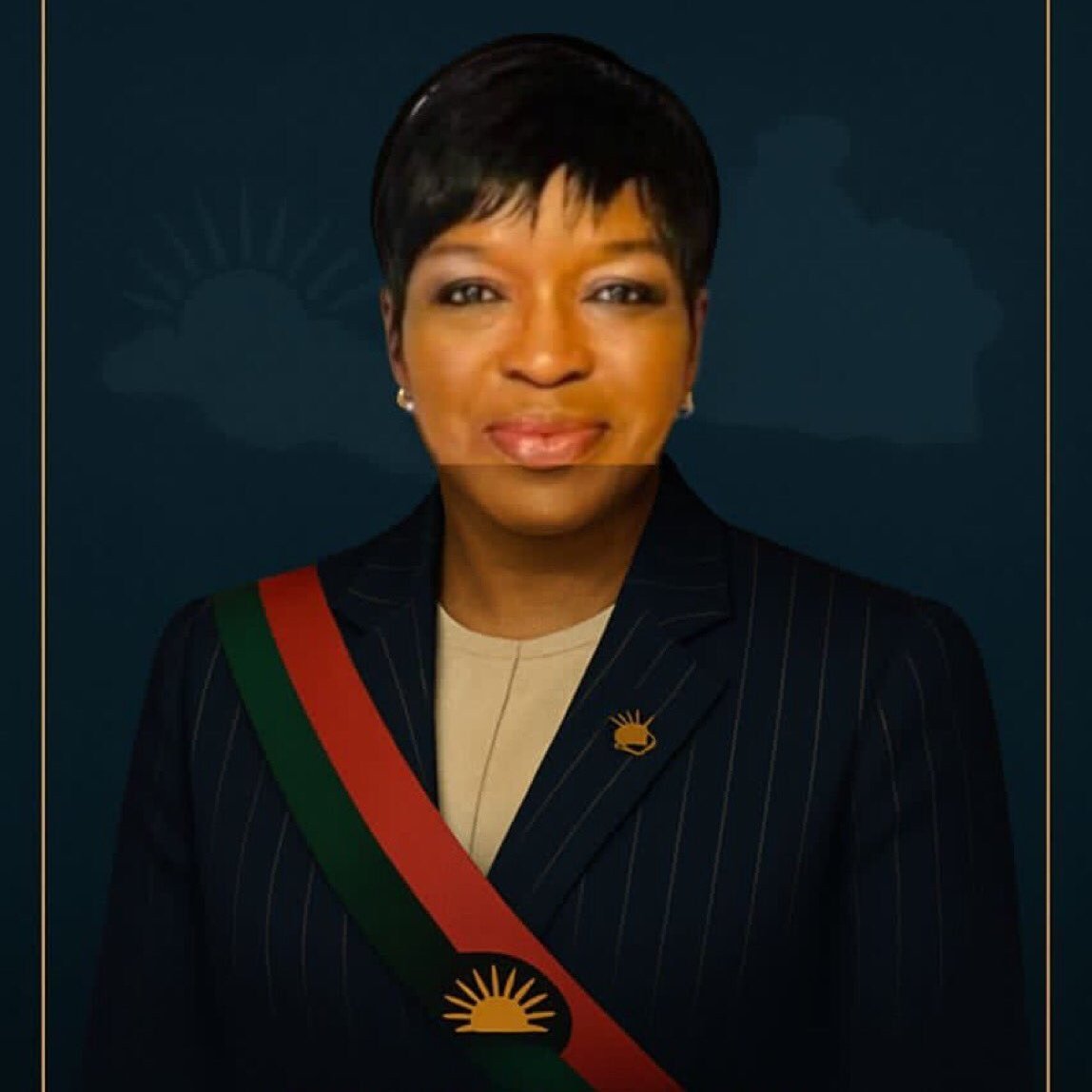
BRGIE/USBG DEPUTY PRIME MINISTER DR. NGOZI ORABUEZE
Simon Ekpa, the Prime Minister of the Biafra Republic Government in Exile (BRGIE), has endorsed Dr. Ngozi Orabueze as Deputy Prime Minister marks a potential turning point.
Through his U.S.-based lawyer, Arman Dabiri, Ekpa has ordered the dismissal of a lawsuit initiated by Oge Nkere, the former Acting Prime Minister, against BRGIE—registered as the United States of Biafra Government (USBG) in Georgia.
This move not only ends Nkere's interim role but also affirms Orabueze's leadership in carrying out BRGIE's duties and recognizes BRGIE/USBG entity as the sole representative of the Biafran cause acknowledged by the U.S. Department of Justice.
Statement of Affirmation by Elias of Moran Global of PM Simon Ekpa’s Endorsement
In a recent statement in response to the PM’s rejection and SACKING OF HIS FIRM, Elias posted lamenting-
“Simon, even while in detention in Finland, is proactively trying to protect and help Ngozi Orabueze and prevent us from holding her accountable, simply put. Simon has been a longtime friend, but this is completely unbecoming and embarrassing.”
Elias, who is only concerned about his firm’s $10,000 a month paycheck has been seen recently scrambling for relevance.
As for the PM Simon Ekpa, the struggle continues as he battles with Finland and Nigeria in the appeal courts.
He has made a great choice, DR NGOZI ORABUEZE and he’s sticking to his wisdom.
PM Simon Ekpa’s Strategic Pivot towards Consolidation
Ekpa's intervention from behind bars, however, suggests a strategic pivot toward consolidation, blocking the legal action and signaling that internal squabbles must yield to the broader goal of sovereignty.
Biafrans see it as a pragmatic endorsement, aligning with Orabueze's claims of truthfulness and her active role in international advocacy.
This endorsement comes at a critical juncture. Following the anniversary of last year's declaration of independence by the United States of Biafra—momentum is building for potential U.S. recognition.
External Support
Dr. Walid Phares, a foreign policy advisor to President Trump, has urged support for Biafra as a counter to what he terms "Fulani Jihadist" threats in Nigeria, framing it as a remedy to ongoing religious and ethnic violence.
Trump's own statements highlight the "existential threat" faced by Christians in Nigeria, amid lobbying efforts by Biafran separatists.
Orabueze, positioned at the forefront, is poised to amplify Ekpa's contributions to the cause, potentially bridging the exile government's internal rifts to present a united front to Washington.
Her efforts, including press statements invoking international human rights laws and Geneva protocols, underscore both "legal means" approach to liberation, with militant tactics.
U.S. recognition, while tantalizing, remains speculative; historical precedents like Kosovo or South Sudan show that international support hinges on geopolitical interests, and must be carefully planned.
Nigeria's government, labeled a "pariah state" by Biafran advocates, continues to occupy what they claim as sovereign territory, and any escalation could invite further crackdowns.
Biafra's actualization demands discipline, not discord; anything less risks relegating the dream of a sovereign state to the annals of unfulfilled aspirations.