

The Brewing Crisis in Biafraland: Lockdown Threats and the Urgent Need for Dialogue
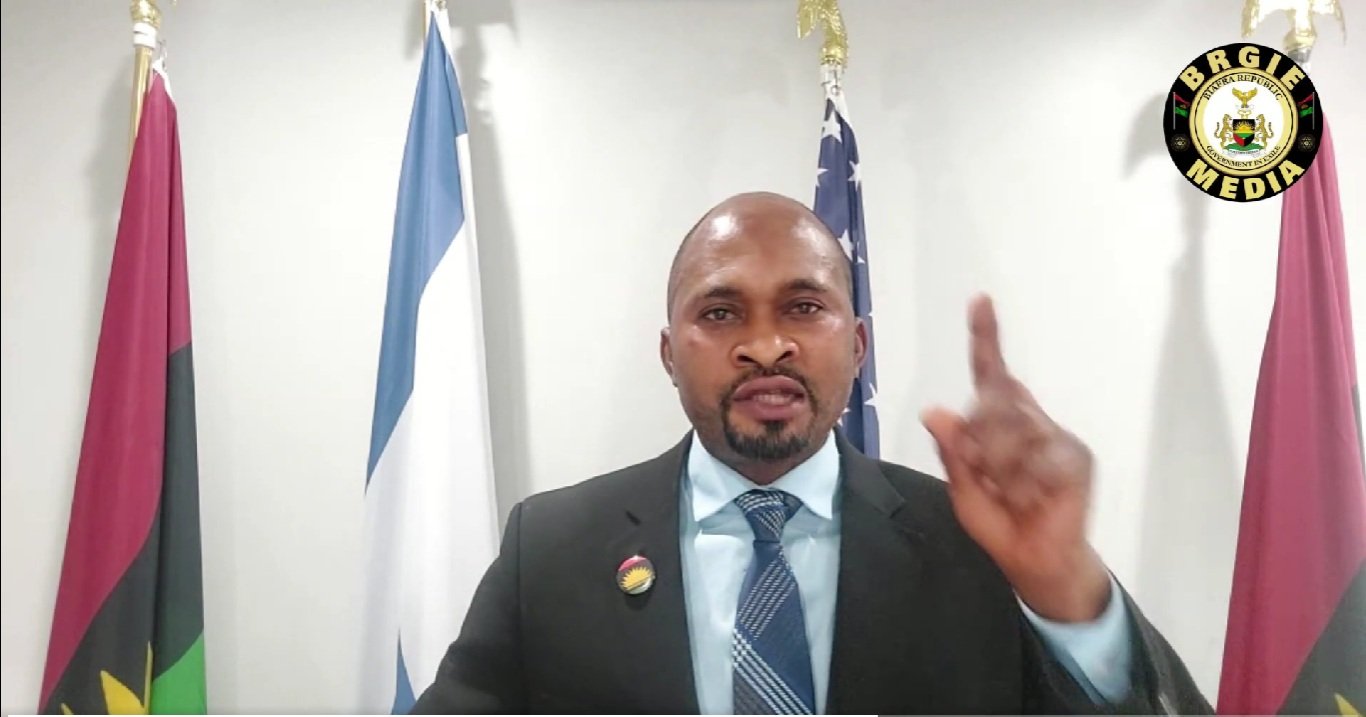
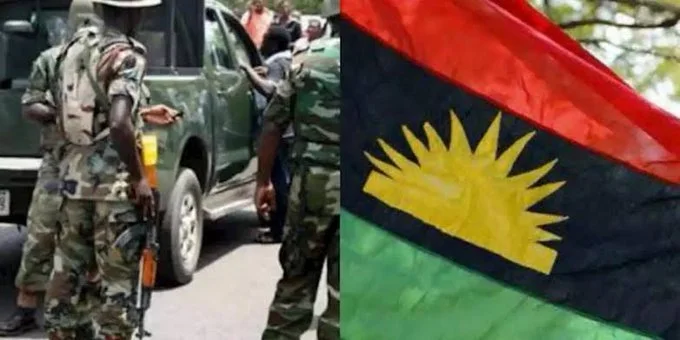
In a bold escalation of the long-simmering Biafran separatist movement, Ogechukwu Nkere, Acting Prime Minister of the Biafra Republic Government in Exile (BRGIE), has issued a stark ultimatum to the Nigerian government: release detainees arrested during recent protests demanding the freedom of Nnamdi Kanu, or face a week-long shutdown across the Biafra Territory "Biafraland."
This announcement, delivered amid rising tensions in October 2025, underscores the deepening frustrations among Biafran advocates and highlights perceived inconsistencies in Nigeria's approach to security and dissent. The roots of this conflict trace back to 2021, when Nnamdi Kanu, leader of the Indigenous People of Biafra (IPOB), was detained following his rendition from Kenya—a move widely criticized as extrajudicial. Kanu's supporters argue that his advocacy for Biafran self-determination, rooted in historical grievances from the 1967-1970 Nigerian Civil War, poses no violent threat. Yet, his ongoing imprisonment has fueled periodic protests, including the recent #FreeNnamdiKanuNow demonstrations in Abuja, which were met with what activists describe as brutal crackdowns.
The latest arrests, including prominent figures like activist Omoyele Sowore, Kanu's lead counsel Aloy Ejimakor, and several youths and legal team members, occurred earlier this week during these actions.
Nkere's statement pulls no punches in its critique of the Tinubu administration. He accuses the government of a glaring double standard: arresting peaceful protesters advocating for Kanu's release while allegedly engaging in negotiations with Boko Haram insurgents without similar repercussions.
"You cannot kidnap Mazi Nnamdi Kanu then also arrest everyone protesting for his release while you have peaceful meetings daily with Boko Haram Islamic jihadist terrorists," Nkere declared, suggesting that such policies implicitly encourage arming for self-defense.
This rhetoric taps into broader allegations of ethnic and religious biases in Nigeria's security responses, where southern separatists face harsh measures compared to northern militant groups. Reports from organizations like Open Doors have documented thousands of faith-related deaths in 2024, often linked to jihadist activities in the north, lending some credence to claims of uneven enforcement.
The proposed lockdown would encompass the entire southeastern Nigeria—Anambra, Imo, Abia, Enugu, and Ebonyi states—halting economic activities, closing Nigerian facilities, and potentially disrupting daily life for millions.
This isn't the first such call; similar sit-at-home orders by groups like the Biafra De Facto Government in Homeland have already led to sporadic shutdowns in October 2025, including a three-day lockdown in parts of old Anambra State to protest elections.
BRGIE's threat amplifies these efforts, signaling a coordinated push toward greater mobilization. If enacted, it could exacerbate economic hardships in a region already grappling with insecurity, including attacks attributed to jihadist threats spilling over from West Africa.
From a broader perspective, this standoff raises uncomfortable questions about Nigeria's unity. The Biafran movement, led by figures like Simon Ekpa (BRGIE's Prime Minister, with Nkere acting in his stead) from exile in Finland, has evolved from fringe activism to a structured push for independence, complete with diplomatic outreach and fundraising for recognition.
Biafrans point to ongoing marginalization, including claims of genocide against Christians and indigenous peoples, as justification.
The Nigerian government's silence on this specific threat is telling—no official response has surfaced from authorities like the police or presidency as of October 24, 2025. Yet, a magistrate court in Abuja granted bail to Sowore and others today, which could defuse the immediate crisis if honored.
This development suggests room for de-escalation, but it doesn't address the underlying issues. Ultimately, threats of shutdowns may rally the base but risk alienating ordinary southeasterners who bear the brunt of economic fallout. The Tinubu administration would be wise to prioritize dialogue, perhaps through mediated talks on Kanu's release and broader federal reforms to address ethnic inequities. Ignoring these grievances only fuels the separatist fire, potentially leading to a cycle of protest, repression, and instability. Nigeria must confront these grievances head-on—before a week-long lockdown becomes the least of its worries.